Couples therapy for relationships that feel stuck, strained, or in crisis

If your relationship is in a place where you’re fighting constantly, recovering from betrayal, questioning the future of the relationship, or feeling more like adversaries than partners—it can be hard to know how to move forward.
In couples therapy, you’ll have a dedicated space to slow down the patterns that aren’t working, understand what is happening underneath them, and create a different way of responding to one another.
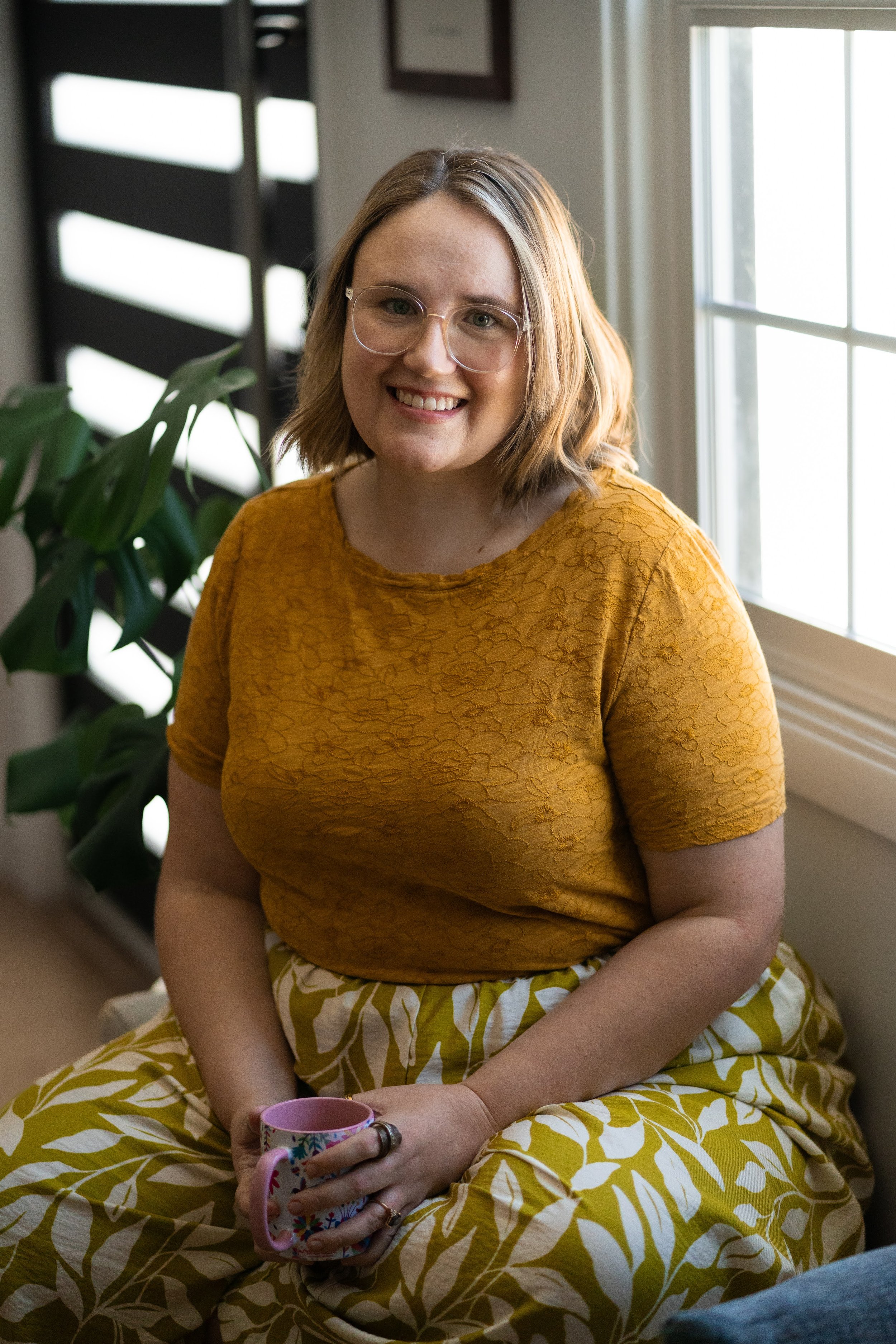
I’m Bry Larrea, an Associate Marriage and Family Therapist, and I specialize in working with with couples dealing with high conflict, communication breakdowns, infidelity and betrayal, emotional distance, separation, and major relationship decisions/transitions.
Sessions are available in my Pasadena office or virtually throughout California.
Therapy with me is LGBTQIA+ affirming, polyamory-affirming, kink-informed, and trauma-informed.
Common Reasons Couples Seek Therapy
If the arguments in your relationship feel nonstop, couples therapy offers a place to pause, understand what’s really happening between you—and begin moving toward repair at a pace that feels right for the relationship.
High Conflict
Some decisions change the direction of a relationship. Whether you’re deciding about marriage, children, a move, opening the relationship, or another major next step, therapy can give you space to slow down, understand what each person wants, and make the decision with more clarity.
Major Relationship Decisions
Sometimes the question isn’t how do we fix this? It’s whether the relationship should continue at all. Discernment counseling is for couples who feel uncertain about the future of their relationship. The goal is not to pressure you toward reconciliation or separation, but to slow the decision down, understand what brought you here, and get clearer about what comes next.
Discernment
Are you navigating the aftermath of an affair or betrayal? This can feel deeply isolating, but you don’t have to travel this road alone. Together, we will process the shock, grief, and uncertainty that often follow betrayal; and find ways of connecting in the aftermath.
Affair/Betrayal Recovery
Opening a relationship or navigating non-monogamy can bring up complex emotions, questions, and growing pains. Having support can make the process more intentional and grounded. We’ll create a non-judgmental space to clarify agreements, explore needs, and strengthen communication around this decision.
Ethical Non-Monogamy
Changes in intimacy can feel confusing, tender, or difficult to talk about. Couples therapy Pasadena offers a non-judgmental space to talk openly about intimacy, understand what may be getting in the way, and rebuild closeness at a pace that feels right for each person.
Intimacy/Sexual Issues
My approach to couples therapy
Couples rarely come to therapy because of one argument. Usually, there’s a pattern underneath it: one person pursues while the other pulls away, conversations escalate quickly, resentment builds, or both people stop feeling understood.
In our work, we’ll slow those patterns down and get curious about what is happening underneath them. We’ll look at what each of you is protecting, needing, fearing, and reaching for—and how those experiences shape the way you respond.
My approach draws from many trainings in couples therapy: Emotionally Focused Therapy (EFT), attachment-based work, Relational Life Therapy (RLT), PACT, and values-based therapy (ACT). In practice, that means we won’t only talk about the relationship. We’ll also work on what happens between you in real time: conflict, communication, trust, boundaries, intimacy, resentment, and repair.
I’m warm and engaged, but I’m also direct. I’ll help slow the room down when things get heated, point out patterns when I see them, and make space for conversations that may feel impossible to have at home.
With me, nothing is too big to bring into the room. Let’s put it on the table and face it together. It can feel scary, but that’s the value of working with a therapist who truly specializes in couples. I love this work, and I’ve got you.
FAQs
What is couples therapy like?
In relationship therapy, we’ll first do an in-depth attachment assessment to understand each person’s history and to see where your relationships is today. Then, we’ll slow things down so you can actually see the pattern you’re stuck in. We look at what’s happening inside each partner, what’s happening between you, and what each of you is reaching for. The work is focused on clarity, safety, and building new ways of connecting that feel healthy and authentic to each person.
What kinds of couples do you work with?
I work with couples in crisis — when conflict feels constant, trust has been broken, communication has become hostile or shut down, or the relationship feels like it may not survive without something changing.
Couples often come to me after betrayal or infidelity, during separation or major relationship decisions, or when they feel stuck in the same painful cycle and no longer know how to get out of it.
I welcome LGBTQIA+ couples and couples across relationship structures, including monogamous, open, and polyamorous relationships.
Do you work with couples in crisis? What about couples who are in the process of deciding whether to stay together?
Yes. Many of the couples I work with arrive in high distress. Together, we’ll work to untangle what’s actually happening and explore the emotions and needs driving the conflict. If you are discerning whether to remain in the relationship, therapy is a safe space to figure that out together.
Is couples therapy with you the right fit for us?
If you’re stuck in a cycle that feels too big to shift on your own, couples therapy can help. You don’t need to be “on the brink.” You don’t need to have everything figured out before coming in. You just need to be willing to explore what’s happening and try something new together.
If you want to get a sense of fit, let’s start with a free phone call.
What approach do you use? What is your training?
My work is grounded in Emotionally Focused Therapy (EFT), attachment-based work, and trauma-informed care. I also draw from Relational Life Therapy, PACT, and Acceptance and Commitment Therapy (ACT).
I have advanced training in couples therapy, including high-conflict dynamics, betrayal and affair repair, and helping couples work through periods of crisis or uncertainty.
In practice, that means I’m not just listening for what you’re arguing about. I’m paying attention to the cycle underneath it—what each of you is protecting, needing, fearing, and struggling to say. And then I gently redirect. If you want an active couples therapist, I might be your perfect fit.